Return Echo Development #5
I dove deep into cleaning up and tightening the guts of Return Echo. It's been one of those stretch-it-out weeks where the work wasn't flashy but absolutely necessary-lots of refactoring, removing cruft, and simplifying how core systems talk to each other. I'm steadily trying to peel back the old layers and get the architecture to feel less like a tangled web and more like a straightforward, solid foundation.
What I fixed and improved
I spent a lot of time improving the snapshot and event system, moving snapshots and queues into EchoCore's root package to keep things consistent and less scattered. This gave me a chance to introduce a generic `CommandQueue` and clean out older, specialized queue classes that just weren't cutting it anymore.
One big win here was removing a bunch of global events that were adding noise rather than clarity. By swapping these out for more targeted listeners and context-aware snapshots-like the new `GuiFocusSnapshot` that separates what the GUI focuses on from which ship the player controls-I managed to reduce some of the tangled, noisy event bus clutter that was slowing me down.
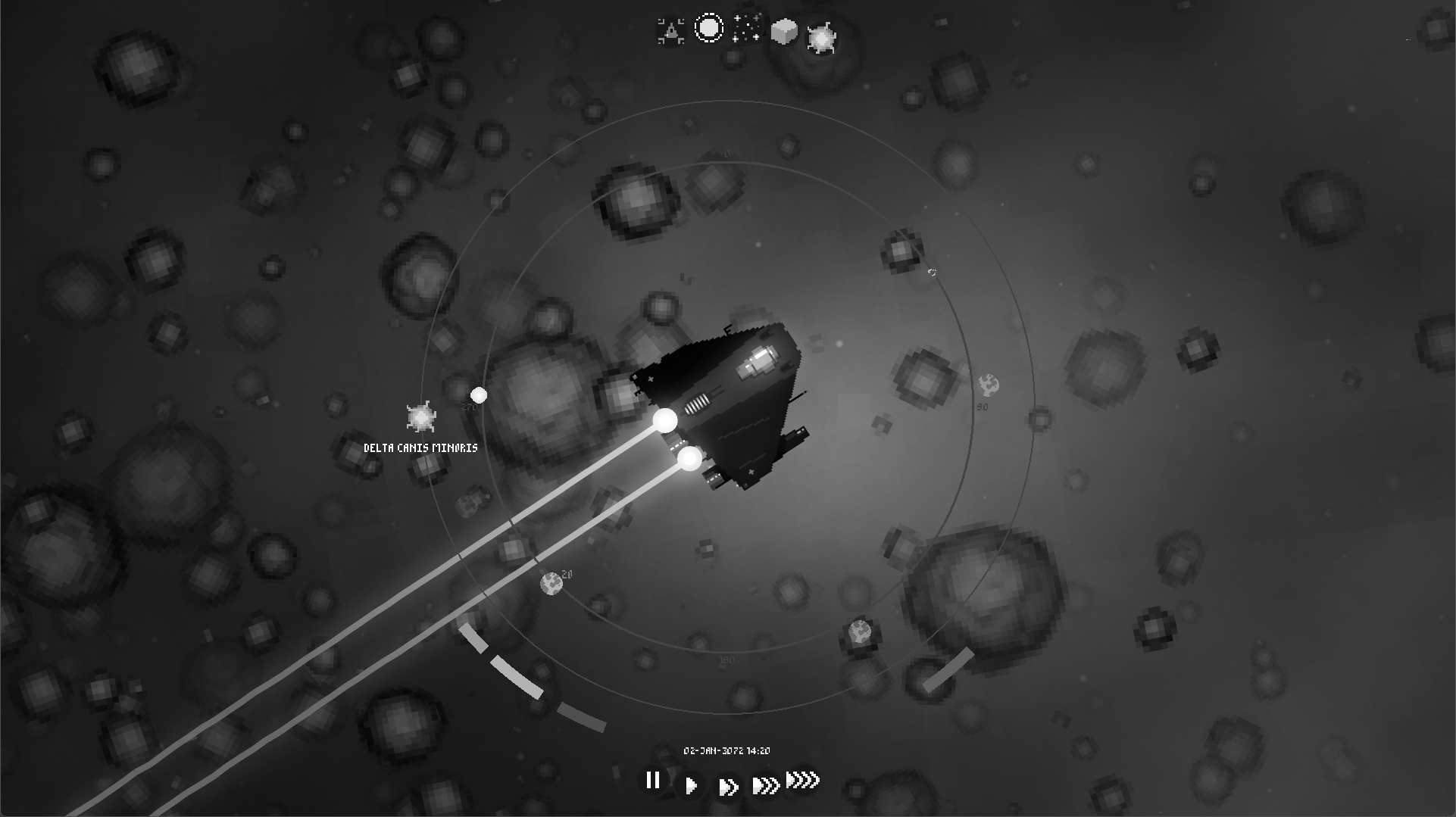
On the rendering front, I polished the visuals quite a bit. The planet shadows got some love, including renaming and refactoring classes for clarity, and I totally revamped the bloom effect to make the visuals pop more realistically. The galaxy map also went grayscale which sounds odd at first, but it actually helps the game's style and makes certain UI elements stand out better.
Upgrading dependencies to lwjgl3 and updating libgdx to 1.14.1 were overdue moves that will save me headaches long-term, especially as I improve the GUI rendering pipeline. Also, little improvements like fixing the camera panning to zoom in on the mouse location instead of the center make a surprisingly smooth difference to feel.
What I learned
I'm realizing more clearly how much the boundaries between the ECS (Entity Component System) and simulation code need to be respected. The static analysis flagged a lot of places where ECS concepts were leaking into simulation classes, which is messy and a maintenance risk. I have to keep pushing ObjectId-based referencing instead of passing raw entity or component references to stay clean.
The generic snapshot and listener pattern is working really well, but it requires discipline to avoid falling back into global event bus overuse. Replacing global events with specific listeners and snapshot updates makes the code more comprehensible and reduces unintended side effects, but it's easy to slip back if I'm not careful.
I also got a fresh appreciation for how small architectural details ripple through the rendering code-like fixups to the order of GUI line rendering or how NPC nav path visuals depend on subtle shader tweaks.
What I got wrong
I've been guilty of letting some overly generic classes and legacy event systems linger for too long. Originally, I thought supporting every edge case through global events was flexible, but it ended up more like noise and tech debt. The quick removal of several unused or redundant classes was overdue.
There were a couple of false starts around snapshot handling-sometimes I'd refactor something only to realize it needed a different approach once integrated. I spent time backtracking and improving naming conventions to avoid misconceptions, like renaming `PlayerUiRequest` to `PlayerUiCommand`, which better reflects what it actually does.
Also, some of the ECS to simulation boundary issues I found in static analysis were uncomfortable reminders that I still have architectural debt to address. I need a more rigorous approach to keep that separation tidy going forward.
Why it matters for Return Echo
Cleaning up these architectural layers and event handling systems feels a bit like tidying the workspace so I can actually build the features I care about without tripping over my own feet. Return Echo's complexity demands solid, reliable foundations, especially as I build more advanced AI, NPC behaviors, and immersive rendering effects.
The improved snapshot system and move away from global events make the overall architecture easier to reason about, which will help prevent bugs and make adding new features less risky. On the visual side, refining the bloom and shadow rendering brings Return Echo closer to the cinematic space experience I'm aiming for.
Where I'm heading next
Next week, I want to keep pushing on decoupling simulation from ECS-starting with those boundary leaks the static scan pointed out. I'm also planning more improvements to the player UI command processing to reduce overhead and better handle player interactions.
On the graphics side, I'll continue enhancing the planetary rendering and maybe start experimenting with more dynamic lighting effects. Plus, I want to keep refining the game tuning constants and move more magic numbers into a centralized `GameTuning` class so tweaking gameplay balances becomes easier.
Finally, I'm aiming to keep chipping away at the global event cleanup, replacing more of those with targeted snapshot listeners and possibly building some better tooling or dev views to help me monitor these systems as they grow. It's slow going, but it's the kind of groundwork Return Echo needs for the long haul.